What does ADHD-friendly nutrition actually look like?
I recently joined Dr Rupy Aujla on The Doctor’s Kitchen podcast for a conversation about food, ADHD, focus and the gut-brain connection.
It turned into one of the most practical conversations I have recorded so far on ADHD-friendly nutrition, because we were able to talk about food in a way that felt useful, grounded and very human. Less “perfect meal plan”, more “what might support your brain and nervous system in the middle of real life?”
Because, for those of us with ADHD, food is rarely just about knowing what to eat. It is a jigsaw puzzle with all sorts of pieces, including appetite, energy, executive function, sensory preferences, mood, sleep, stress, digestion, cravings and capacity, to name but a few… That is why nutrition advice can become unhelpful when it turns food into another rule system.
A more compassionate starting point is to ask a different question, chiefly, what would make this meal a little more supportive for my brain, my gut and my nervous system today?
Moving beyond performative nutrition
One of the ideas we explored in the episode is food synergy. In other words, foods can work together in ways that are more interesting than looking at single nutrients in isolation.
We talked about cocoa and honey, beans and greens, olive oil, tomato, garlic and herbs. Eggs on a slice of lightly toasted of sourdough with curried lentils on the side. These are simple combinations, but they give the body a richer mix of fibre, polyphenols, fats, protein, flavour and texture.
When we look at food through a gut-brain lens, this matters because our gut microbes do not eat “wellness trends”. They respond to what arrives in the gut, including fibre, plant compounds, resistant starches, polyphenols and all the other small, complex compounds found in real food.
That does not mean every meal needs to be elaborate or tick a box in a long list of criteria to be met to achieve “the perfect breakfast, lunch or dinner. A bowl of soup with a handful of barley flakes, oats or pre-cooked grains can be enough. A ready meal with added chickpeas, mixed herbs, olive oil or frozen greens suddenly becomes more nourishing. A snack can become more supportive with a small pairing, such as fruit with yoghurt, toast with hummus, or cocoa nibs with something naturally sweet.
It all counts.

Science, story and nourishment for neurodivergent life, straight to your inbox.
Fibre, gut microbes and ADHD body-mind regulation
We also talked about fibre, especially the kinds of carbohydrates that feed gut microbes. These are sometimes called microbiota-accessible carbohydrates, or MACs, which sounds more technical than it needs to, really… In real life, they are found in everyday foods such as legumes, onions, garlic, leeks, fruit, oats, barley, whole grains, vegetables and herbs.
For us ADHDers, this can be useful because gut-brain health is not separate from mood, focus, energy or emotional regulation. The gut and brain are constantly “chatting” to each other through immune, metabolic, neural and hormonal routes of communication, what us scientists call pathways.
A fibre-rich way of eating may well support microbial diversity, short-chain fatty acid production and inflammatory balance. But the practical question is much simpler. In fact, it is as simple as “how can I add a little more plant diversity without overwhelming myself?” And that might look just like adding beans to toast, lentils to soup, oats to yoghurt, herbs to eggs, greens to pasta, or barley flakes to a stew. It doesn’t need to be a full lifestyle overhaul. Just one more nourishing addition can make a big difference. Think of it as a tiny gut-brain makeover. Same meal, slightly more plant diversity, a little more fibre, and a few more microbial dinner guests invited to the party.

Tiny gut-brain makeovers can be powerful things!
Hydration and focus
Hydration sounds almost too basic to mention, but it matters so much… Even mild dehydration can affect concentration, mood and perceived energy. That’s a well documented scientific fact. For us ADHDers, this can become even more complicated because interoception, the ability to read internal body signals, can be less reliable. In simple terms, that means that we may miss our body cues for thirst, misread them as hunger, or only notice that we’re parched once our body is already irritable, foggy or tired.
One of the most ADHD-friendly hydration strategies is beautifully unglamorous: make water visible. Ta-dah! 🪄✨
A cute bottle on your desk. A glass near the kettle. Sparkling water if plain water feels boring. Herbal tea if warmth feels regulating. Fruit, soups and water-rich foods also contribute to keeping you hydrated. And remember (yes, again!) that the goal is not to achieve perfection, but to put support in place so that regulation is not an afterthought but something you build like a scaffold around you, to sustain you and protect you throughout the day.
The eating environment matters too
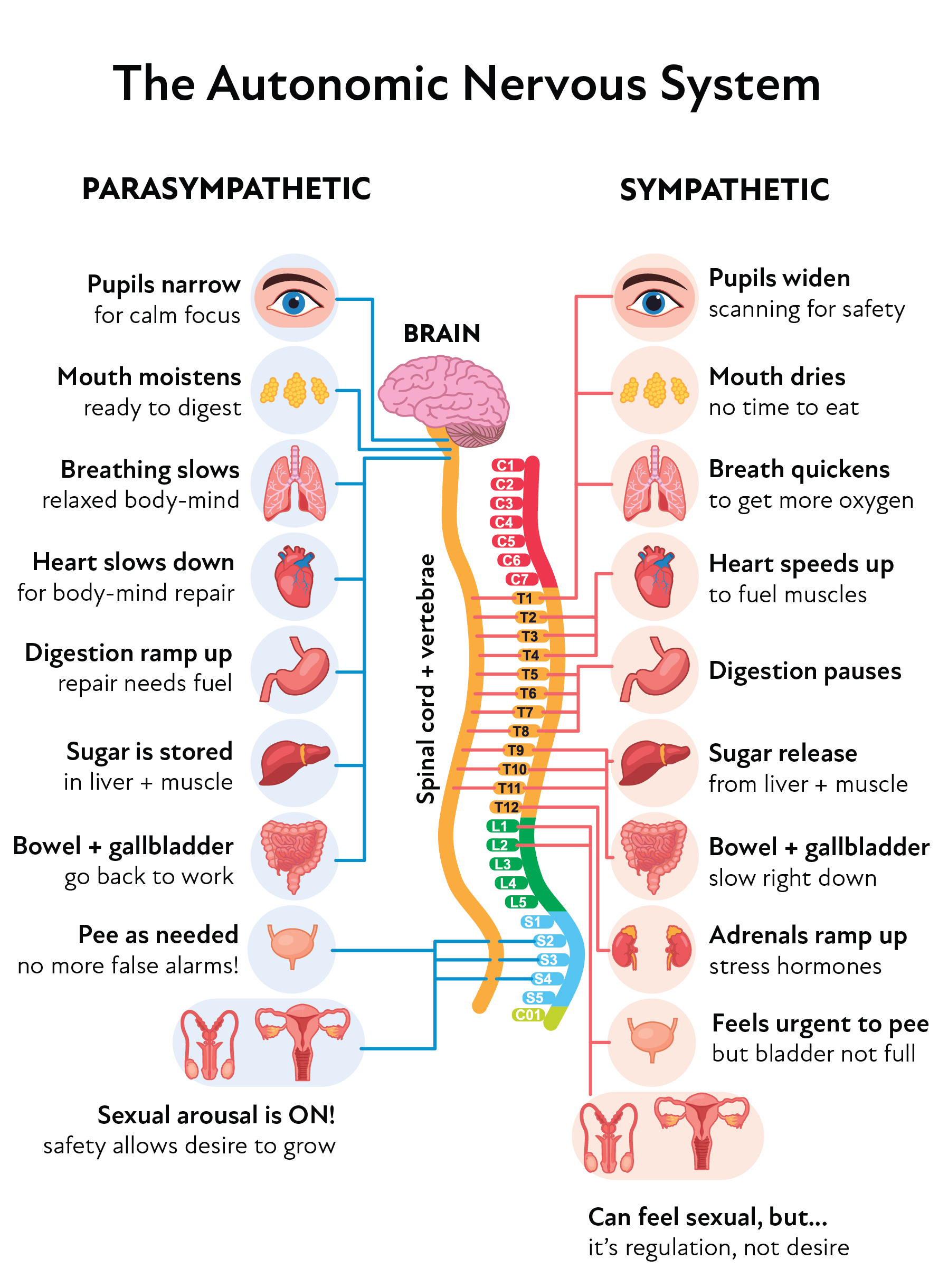
ADHD-friendly nutrition is not just about what is on your plate but about the state of your nervous system as it receives that meal. When you are stressed, rushed, hypervigilant or distracted, digestion can feel harder. Your body may be leaning more towards a sympathetic “fight or flight” type of response, when what we need for digestion is more parasympathetic “rest and digest” capacity.
This does not mean every meal needs to become a mindful eating ceremony. You don’t need to burn sage around the room or engage in contemplative awareness of your bowl of lentils for twenty minutes unless you genuinely want to. It can be much simpler.
Pause for a few seconds before eating and notice where your breath is. Is it shallow or deep? Fast or slow? Turn away from your laptop for a moment or put the news down. They’re shocking these days anyway, so your nervous system will probably thank you for the break. Let your mouth and body register the food before you rush into the next thing.
For many of us, these simple steps towards creating a calmer eating environment can make food feel safer, more enjoyable and easier to digest. And for those of us with ADHD nervous systems, that matters a lot.
Food as support, not a test of discipline
As I watch the video of my conversation with Dr Rupy, I can see the golden thread running through it so clearly… Food should not become another way to judge yourself. I think that’s why this is such a powerful episode.
Many of us ADHDers have lived with years of shame around eating, planning, consistency, cravings, bingeing, restriction, forgotten meals or sensory food phases, yours truly included, as I share in my book. Most nutrition advice is neurotypical advice designed by neurotypical people for neurotypical people. That means that it tends to ignore capacity. Sadly, that also means that it can easily become another source of pressure we really don’t need.
ADHD-friendly nutrition needs to be practical enough to survive contact with real life.
It might begin with a protein-rich breakfast that makes your day less up-and-downy. Water with increased visibility, in a stunningly beautiful bottle that sits by your computer… More supportive food pairings with tiny sprinkles of colour, fibre and polyphenols that aren’t the product of massive overthinking. A meal eaten with a little less pressure around it, plus or minus the candle. Because mindful eating isn’t woo-woo flower power. It’s about understanding that all you may have the capacity for today may be a bowl of ready-made soup, but that you can make it more nourishing with some extra fibre by adding a couple of spoonfuls of lentils out of a tin. It’s also about recognising hunger so that your nervous system feels supported, rather than punished by a constant battle with your appetite.
This is the spirit behind PHOCUS
The food framework from my book ADHD Body & Mind… PHOCUS brings together protein, herbs and plant foods, omega-3 and nourishing fats, carbohydrates, understanding your body, and structure/self-kindness. It is a way of thinking about food as support for ADHD as a whole body-mind experience, through the lens of neuroscience, gut-brain health and nervous system regulation.
I am running an online live Masterclass on ADHD-friendly nutrition with PHOCUS at its core on Wednesday 15th July at 5pm (UK time) and I’d love you to join me. Click here to learn more about it, or reserve your place if you’ve already read about it and you’re ready to sign up.
Enjoy lifetime access to the complete PHOCUS Masterclass and private members’ area. Your purchase includes the full masterclass recording, presentation slides, the PHOCUS on the Plate Practical Guide, PHOCUS Workbook, and detailed guides to working with your PHOCUS Eating Map and PHOCUS-T Safety Map results.
If you watch the episode with Dr Rupy, I hope you come away with at least one idea that feels usable in your own kitchen, your next meal, or the next time you’re reading labels at the supermarket.
Because ADHD-friendly nutrition does not need to start with a perfect meal plan. It can - and it should - start with the tiniest practical thing. Think gentle glow-up, not complete makeover.
With love,

You can also listen to the episode on Spotify, Apple Podcats, etc. although I recommend the YouTube video because the body language is wonderful… I tend to cringe watching myself, but I was feeling kind of cute that day, and Dr Rupy always looks amazing 😍 [hashtag: eyecandy]. You can find all the links to places to listen and watch the episode on The Doctor’s Kitchen podcast page for this episode. Enjoy!